Brand Equity: Michelin
From Tires to Taste
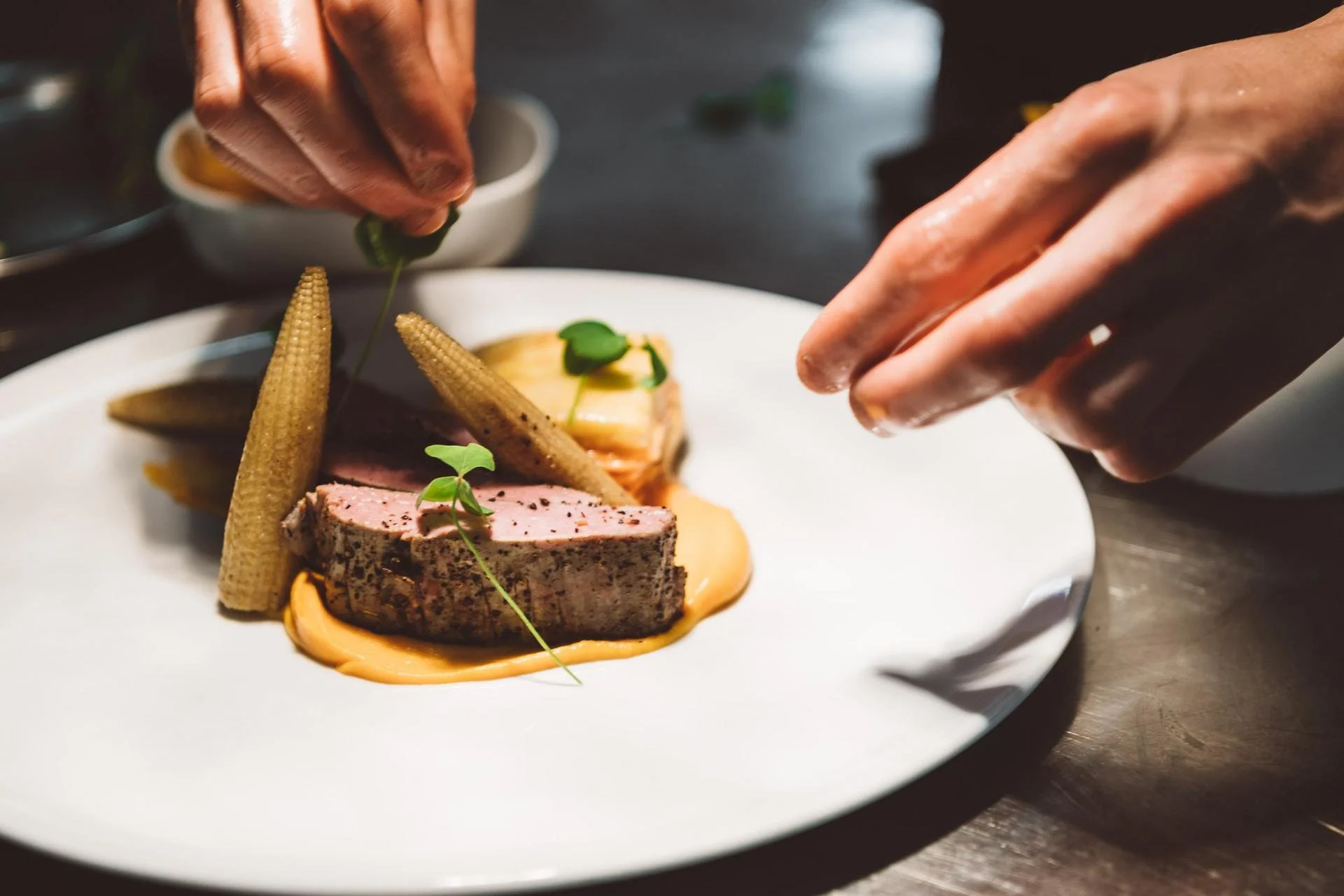
When most people hear “Michelin,” they think of three stars, not tread patterns. But behind the prestige of the Michelin Guide lies a strategic evolution that transformed a tire manufacturer into a global maven of culinary excellence.
This is how purpose, value perception, and human psychology intersect to create brand equity that lasts.
Why trust a tire company to rate restaurants?

They manufactured authority, in short.
At the end of the 19th century, driving was novel and rare. Cars were luxuries and roads were dangerous, so daily travel outside of necessity was uncommon. The Michelin brothers, Édouard and André, were in the business of selling tires - a product whose demand depends on distance traveled. Their insight was simple: encourage people to drive more, and they’ll need more tires.
In 1900, Michelin published the first edition of the Michelin Guide. It was filled with maps, repair stations, and listings for hotels and restaurants. The guide became a cultural artifact. It invited drivers to explore and to seek meaning from journeys.
The first principle of Michelin’s brand strategy: brand value begins with understanding not just your product, but what motivates people to use it.
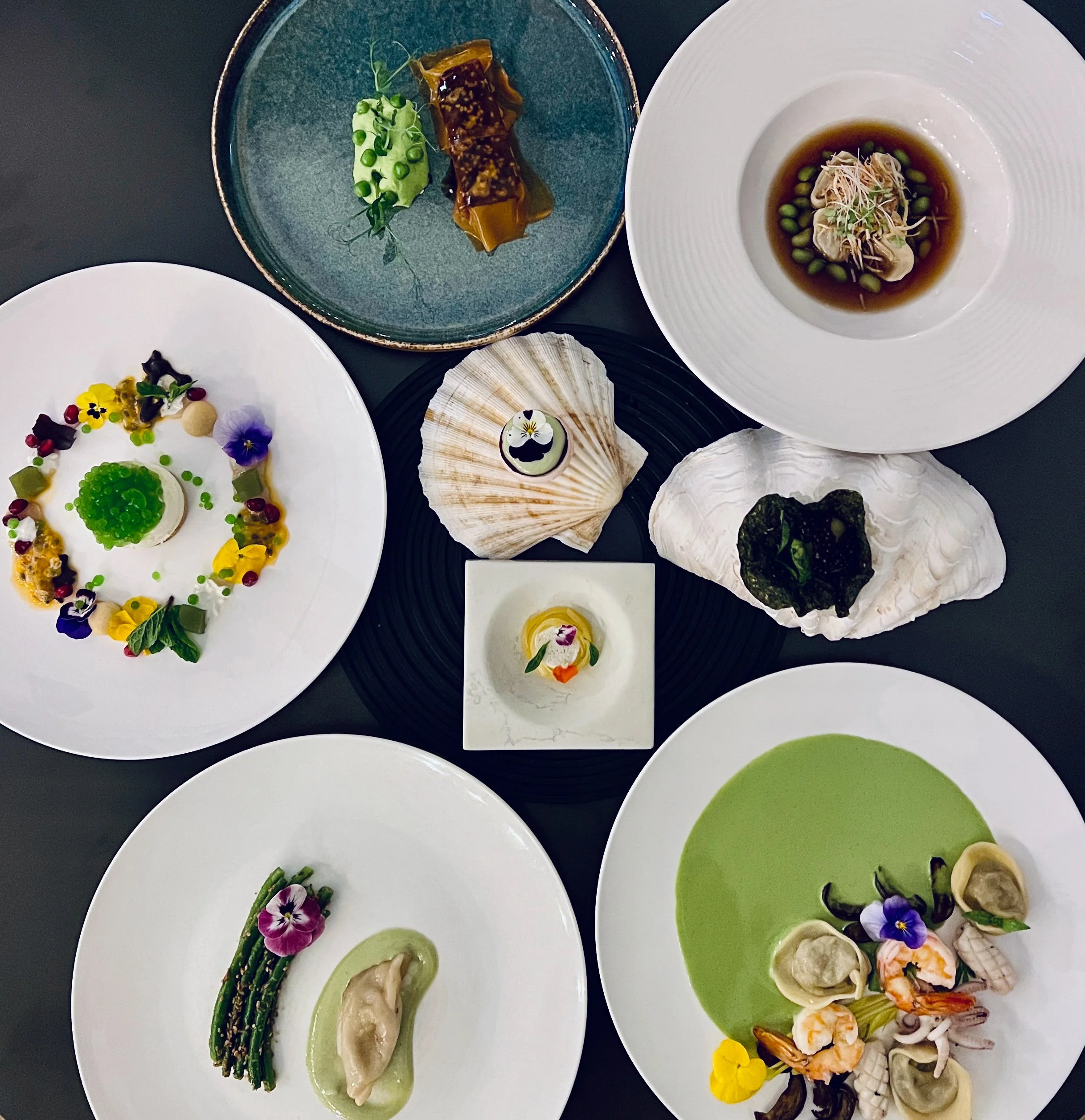
The Michelin Guide is an early blueprint for brand-led cultural authority, where companies don’t just sell products, they shape behavior to drive growth.
Over decades, the Guide transitioned from a travel companion to a culinary institution. By the 1920s, Michelin introduced its star rating system that was simple, evocative, and aspirational:
-
A very good restaurant in its category.
High-quality ingredients and consistently high standards. -
Excellent cooking, worth a detour.
Skilled, creative, and refined cuisine. -
Exceptional cuisine, worth a special journey.
Represents, for many, the pinnacle of culinary art.
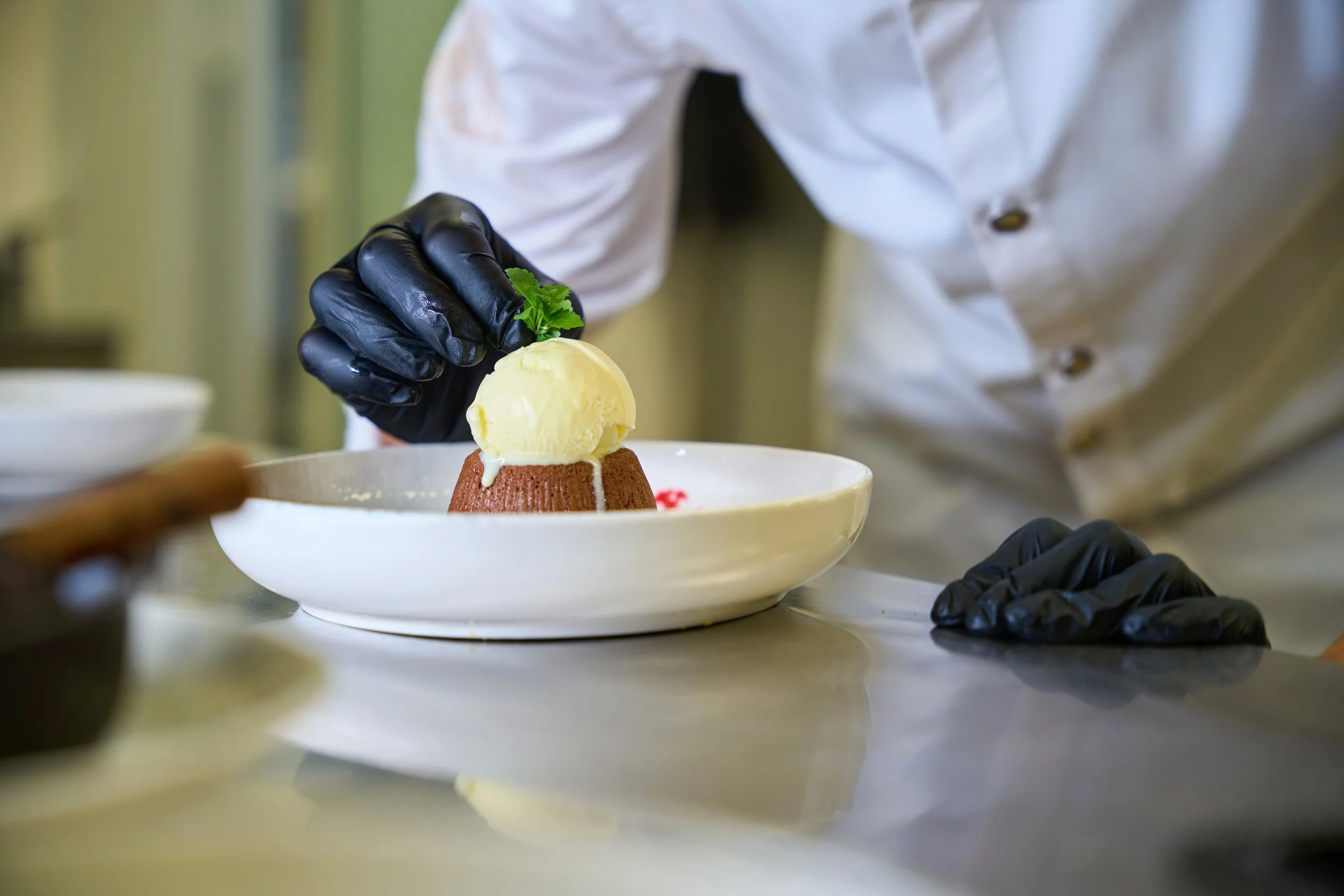
Why do people trust the stars?
Brand equity isn’t earned through logos or slogans alone. Michelin’s equity is built on these pillars:
-
Evaluators — often anonymous — enter restaurants with no fanfare, tasting objectively, focusing on technique, flavor, and consistency. This impartiality reinforces the Guide’s credibility. People inherently trust a system perceived as fair and expert — even when they don’t fully understand the evaluation criteria themselves.
-
For diners, a Michelin star represents achievement, discovery, and belonging. Restaurants with stars become destination experiences, not just meals. Stars are etched into memories, travel itineraries, and personal narratives — all drivers of emotional brand equity.
-
The term “Michelin star” has become part of the public lexicon — like “Kleenex” for tissues or “Google” for search. When consumers use a brand name to define an experience category, that’s hallmark equity.
All of these distinctions are not arbitrary awards, they serve as value codes of curiosity and quality ingrained into the brand fabric.
Michelin’s identity shifted from a tire company to an arbitrer of taste, without ever abandoning its origins. This duality is a core reason the brand resonates so deeply: it exists at the intersection of utility and aspiration.
When brand equity is earned through consistency and meaningful experiences, customers build stronger emotional resonance. Michelin has used this system so effectively to sustained cultural relevance over time that a restaurant rating system created by a tire company now shapes global tourism and local economies across more than 40 countries.

Footnotes
¹ 2021 Cannabis Annual Report, (Published February 2022).
² Plastic Waste Makers Index, (Published November 2021).
³ IUCN Marine Plastic Pollution Issues Brief, (Published November 2021).