Maternal Health Crisis in Texas:
Policy, Access, and Systemic Failure
SEPTEMBER 2021
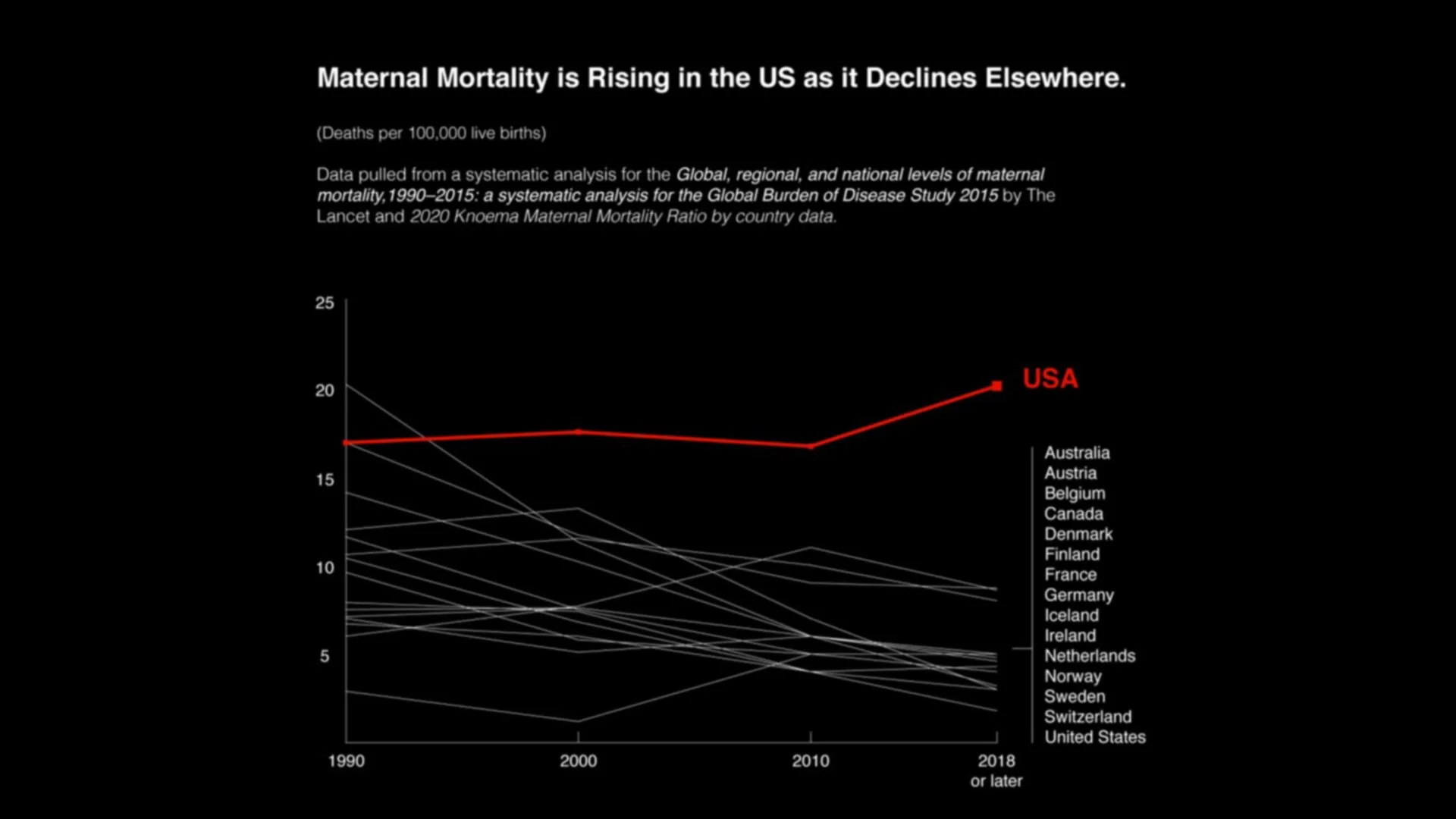
Texas has the highest rate of maternal mortality in the United States, and rates continue to rise nationwide while declining in almost every other industrialized country¹. Why?
I volunteered with a nonprofit organization that supports mothers in the greater Dallas area. Through that work, I learned more deeply how policy, healthcare access, and economic inequality intersect to shape maternal health outcomes.

Systemic Gaps in Maternal Care
Despite spending more per capita on healthcare than any other country, maternal health outcomes in the United States remain significantly worse than those of comparable nations¹.
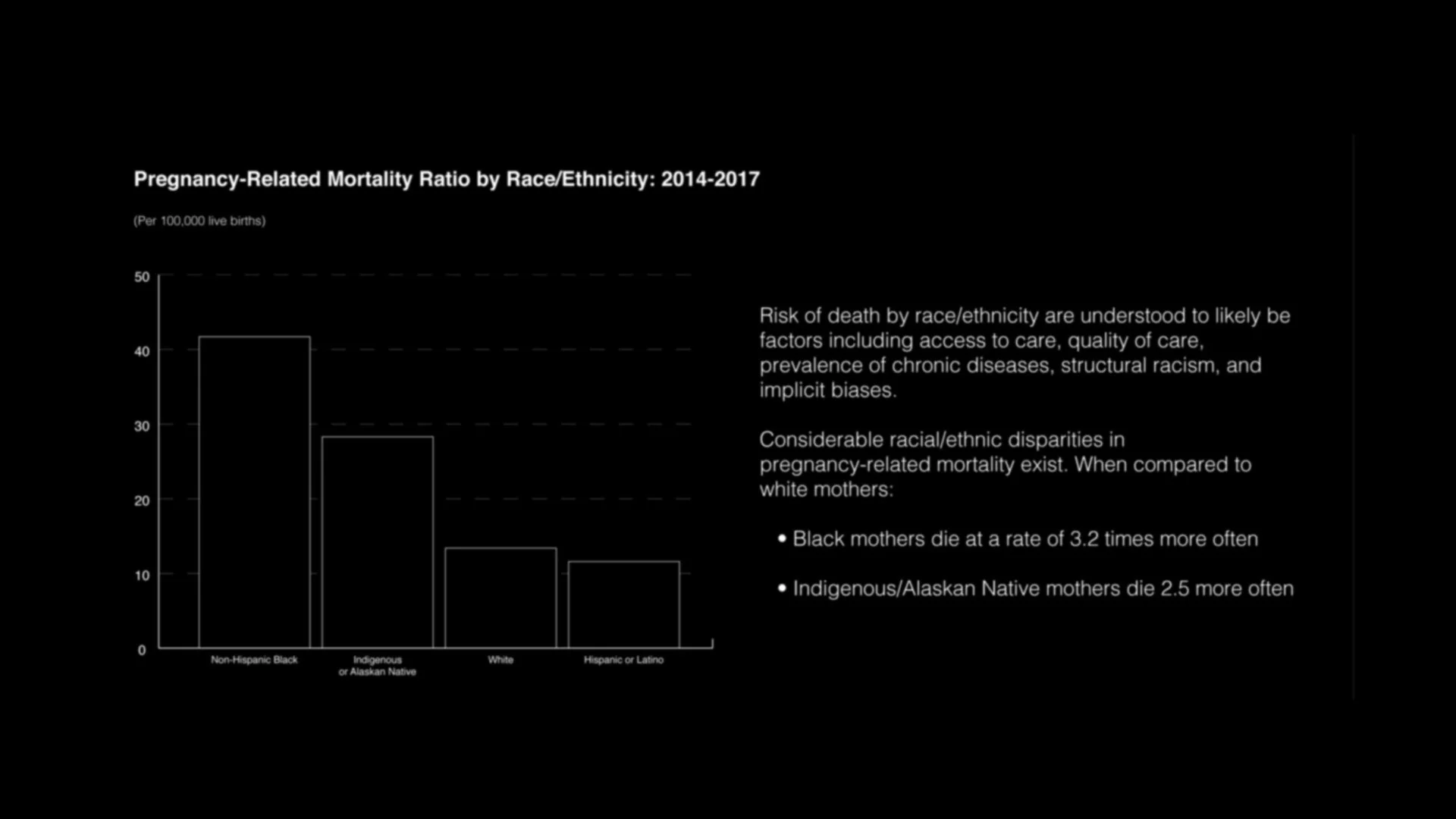
A challenge I faced while researching this issue was not finding statistics—it was confronting how devastating the statistics are. Maternal mortality reflects a broader overlap of systemic discrimination, economic inequality, and gaps in access to affordable healthcare. In many communities, particularly those already facing structural disadvantage, equitable maternal care remains difficult to access.
Restrictive Policies and Access to Care
In Texas, access to reproductive healthcare is increasingly restricted. As of September 1, 2021, abortion became illegal once fetal cardiac activity can be detected, often around six weeks of pregnancy⁶.
The policy also introduced a controversial enforcement mechanism allowing private citizens to file civil lawsuits against abortion providers or individuals who assist someone in obtaining an abortion, including through transportation or financial support⁷.
While abortion care is widely recognized as one of the safest medical procedures when performed legally and under appropriate medical supervision³, legal restrictions continue to limit access to safe reproductive healthcare.
Debates surrounding these policies often focus on fundamental human rights, including the rights to health, privacy, equality, and bodily autonomy.
The diagrams below map the relationships between healthcare access, policy restrictions, and maternal outcomes. By organizing these factors visually, systemic patterns are made more apparent and easier to see and discuss.
Data sources: The Lancet and Knoema
The COVID-19 pandemic further intensified existing weaknesses in the U.S. healthcare system. Research indicates that the first 18 months of the pandemic saw increases in maternal mortality and stillbirths, particularly among women in low-resource communities and among Black women in the United States⁴.
During this same period, Texas introduced additional restrictions on abortion procedures, citing the need to conserve medical resources during the pandemic⁵. As a result, many residents were forced to travel out of state to obtain care.
Pandemic Pressures

Understanding Reproductive Decisions
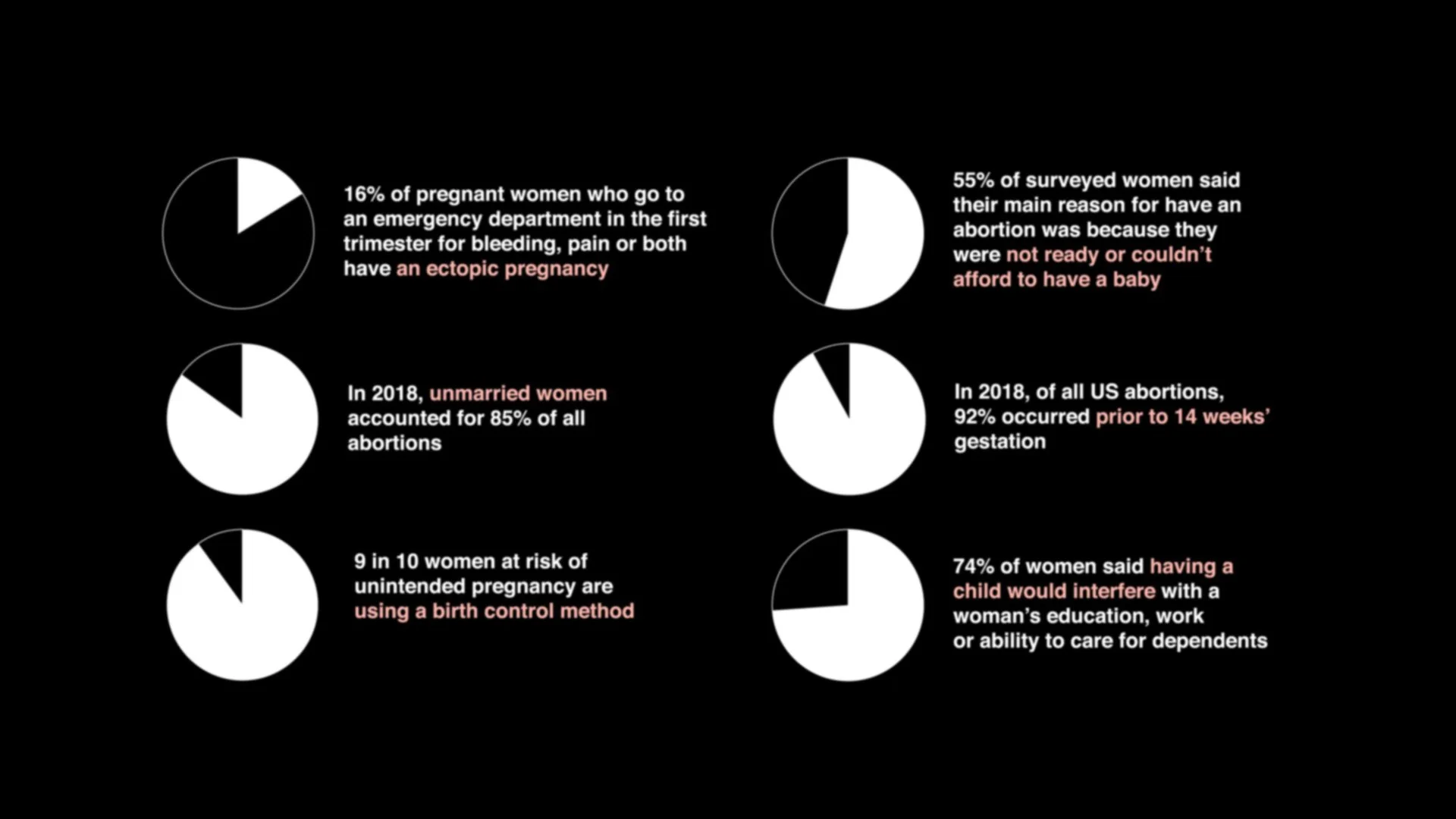
Public debate around abortion often overlooks the complex circumstances surrounding reproductive decisions.
Research conducted by the Guttmacher Institute found that the most frequently reported reasons for seeking an abortion include financial instability, the potential impact of pregnancy on existing children or family responsibilities, and concerns about relationships or single parenthood². Health considerations affecting either the fetus or the pregnant individual are also commonly cited.
Understanding these realities is essential for developing policies that support maternal health rather than restrict access to care.

Supporting Maternal Health
The well-being of mothers and infants should remain a core public health priority. Effective maternal healthcare requires not only access to safe medical services, but also systems that help families navigate prenatal care, childbirth, and postpartum recovery. Many pregnancy-related complications occur months after delivery, yet coverage and support often end shortly after birth.
Closing these gaps requires coordinated care networks that include healthcare providers, community organizations, doulas, and accessible information that helps mothers understand what support is available and when. Community-led programs often step in where formal systems fall short, connecting families with education and postpartum care. Sustaining and expanding these efforts depends on consistent funding and policy support, as they play an important role in strengthening maternal health infrastructure and improving outcomes for mothers and infants.
Selected research and references:
¹ Commonwealth Fund. Maternal Mortality and Maternity Care in the United States Compared to 10 Other Developed Countries. Published November 2020.
² Guttmacher Institute. Reasons U.S. Women Have Abortions: Quantitative and Qualitative Perspectives. Published September 2005.
³ World Health Organization (WHO). WHO Issues New Guidelines on Abortion to Help Countries Deliver Lifesaving Care. Published March 2022.
⁴ BMJ Global Health. COVID-19 and Maternal and Perinatal Outcomes. Published August 2021.
⁵ Office of the Texas Governor. Governor Abbott Issues Executive Order Increasing Hospital Capacity, Announces Supply Chain Strike Force for COVID-19 Response. Published March 2020.
⁶ The New York Times. Texas’s Near-Total Abortion Ban Takes Effect After Supreme Court Inaction. Published September 2021.
⁷ The Guardian. Texas Now Has Abortion “Bounty Hunters”: Read Sonia Sotomayor’s Scathing Legal Dissent. Published September 2021.