Our Plastic Future: Design in the Age of Plastic Waste
JUNE 2021
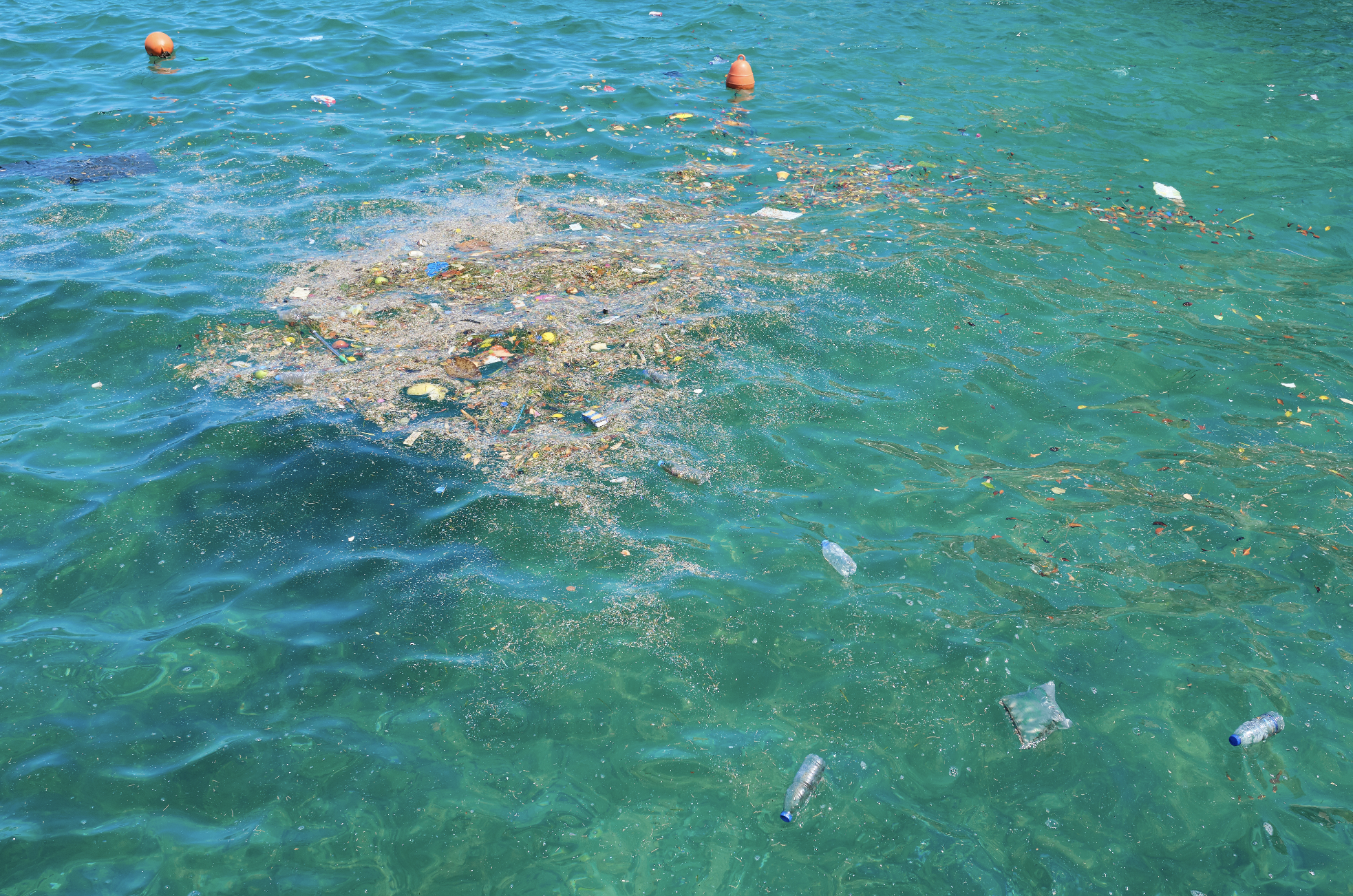
It’s estimated on the low end that 8 million tons of plastic goes into the oceans every year. That's a whole garbage truck of plastic every minute of every night and day.
Plastic has become a defining material of modern life. From packaging to consumer goods, production has increased dramatically over the past century, sustaining a global waste problem that will persist for generations.
At the current growth rate, by 2030 the amount of plastic in the ocean will double what it is right now. By 2050, plastic in the ocean is projected to outweigh fish.
The Rise of Plastic Consumption
Designers play a central role in shaping material culture. Decisions about packaging, manufacturing, and product lifespan influence how materials move through the global waste stream.
I spoke with Plastic Bank about the growing crisis of microplastics and the broader pollution challenges their program aims to address. As a designer working in the legal cannabis industry, I was interested in understanding how this sector contributes to consumer packaging waste and what more responsible design solutions might look like.
Cannabis packaging is tightly regulated, which makes reducing material waste particularly challenging. During the first year of legalization in Canada, the Canadian cannabis sector produced about 6 million kg of plastic waste¹. This represents only a small fraction of global single-use plastic production. According to the 2021 Plastic Waste Makers Index, just 20 companies account for more than half of the world’s single-use plastic waste².
Single-use plastics are a significant source of global plastic pollution. Disposable items such as bottles, packaging, and shopping bags make up a large share of the waste entering the environment. In 2019, macroplastics—pieces larger than 0.5 mm—accounted for about 20 million metric tons of plastic leakage worldwide³, polluting ecosystems on land and at sea.
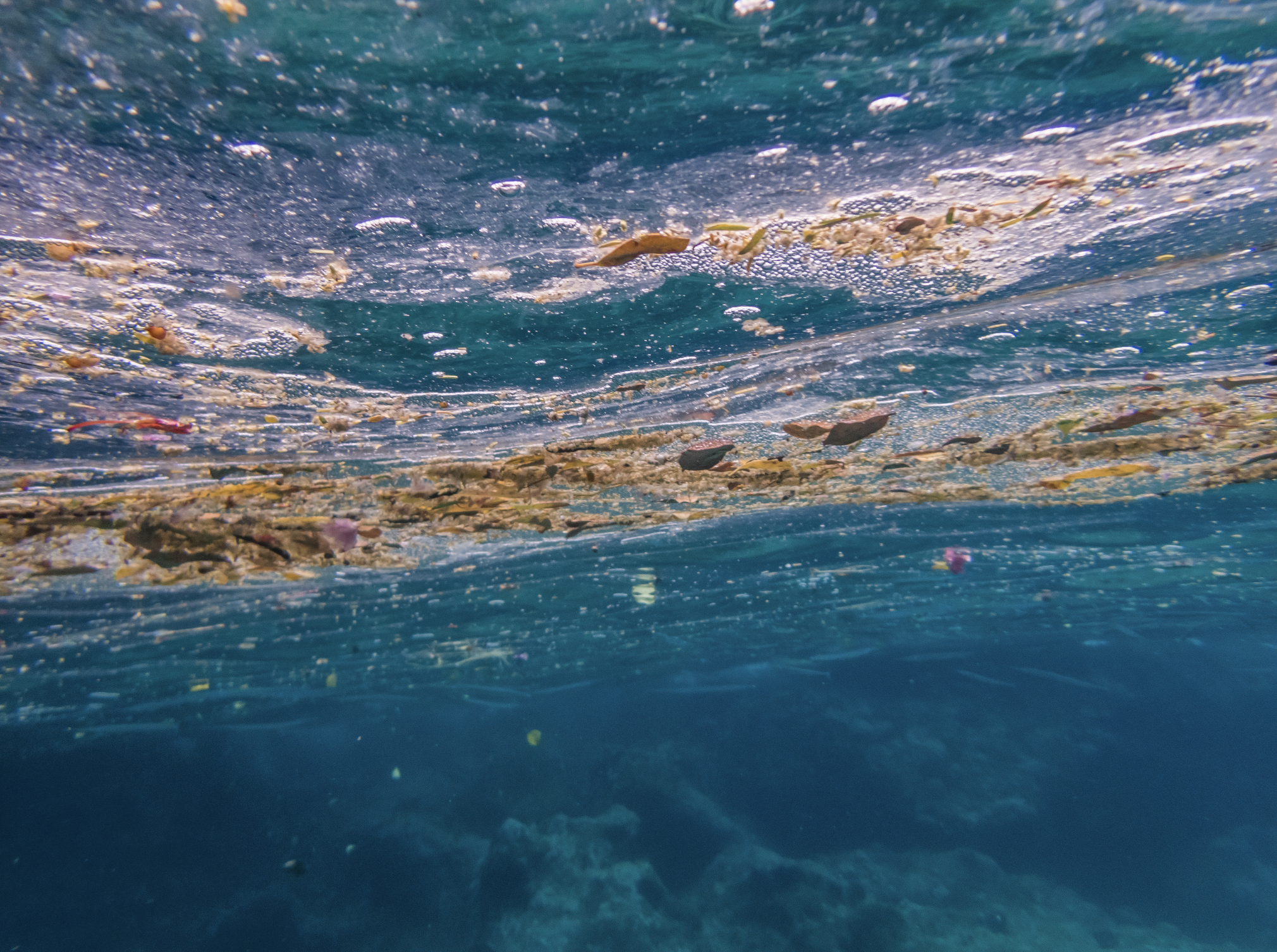
Stop the sink.
The Environmental Cost of Plastic
“Anyone drinking normal tap water over the course of one year is drinking the same amount of plastic as it would take to make a credit card.
There are amazing companies with dredging boats that go out into the ocean and they pull the plastic out. But even all those organizations put together are nowhere near rescuing a million tonnes each year. And we're putting 8 million tons into the ocean. So we have to approach it differently.
The way that our founder talks about this, he refers to walking into a kitchen where the sink is overflowing. There's water flowing over the counter, pouring into the dog's bed, leaking across the floor. What's the first thing you do? It shouldn't be grabbing mop and bucket. The first thing is to turn off the tap.“
- Phil Shuttlewood, Plastic Bank

The scale of plastic pollution is so bad that efforts should be made not only to adhere to, but to strengthen existing international legislative frameworks that address marine plastic pollution. Without doing so, we risk continually threatening ocean health, which subsequently affects the following areas:
-
Plastic debris harms hundreds of marine species through ingestion, suffocation, and entanglement. Animals often mistake plastic for prey, leading to starvation and internal injury. Floating plastics also transport invasive species, disrupting biodiversity and marine food webs.
-
Microplastics have been found in tap water, salt, beer, and ocean samples worldwide. Chemicals used in plastic production can interfere with the endocrine system and are linked to developmental, reproductive, neurological, and immune disorders. Microplastics have also been detected in human placentas, though research is ongoing.
-
Plastic pollution degrades coastal environments and tourist destinations. Accumulated debris increases cleanup costs, reduces tourism revenue, and negatively impacts local economies and community wellbeing.
-
Plastic production relies heavily on fossil fuels, and plastic waste releases greenhouse gases when incinerated or decomposing in landfills. As plastic production increases, so does its contribution to global emissions.

Plastic and Design Culture
Plastic Bank operates as an environmental, social, and economic impact organization. Their model creates solar-powered recycling ecosystems in vulnerable coastal communities, many located near ocean-bound rivers or shorelines where plastic waste frequently enters the marine environment.
Through this system, local micro-entrepreneurs collect discarded plastic and exchange it for payment based on the material’s value as a raw resource. By creating a financial incentive for recovery, plastic waste becomes a form of economic opportunity rather than environmental neglect.
The program provides collectors with a premium for recovered material, helping transform waste collection into a viable income source. In many parts of the world where the global poverty line is roughly $1.70 per day, even small economic opportunities can have significant impact.
Plastic Bank also uses a blockchain-based tracking system to document each stage of the recovery process. Because blockchain records cannot be altered retroactively, the system provides transparent traceability for recovered plastic, allowing companies and organizations to verify the origins and lifecycle of the materials they use.
Designing for Responsibility
This brings me back to my original question: how can the cannabis industry become more environmentally responsible as a contributor to consumer packaging waste?
As the industry matures, environmental initiatives addressing waste and climate impact will become an increasingly important part of its contribution to public well-being.
Most provinces in Canada, including Ontario, already operate extended producer responsibility (EPR) programs that hold packaging producers financially accountable for recycling or disposal. Additional initiatives such as TerraCycle, HyRyse, and (Re)Waste have also emerged to support specialized packaging collection and recycling.
However, regulatory requirements imposed by Health Canada often require packaging materials that are difficult to process within standard recycling streams. Many cannabis containers rely on complex plastics that must be handled through specialized reclamation programs before they can be properly recycled or reused.
Despite these constraints, some companies are investing in new packaging systems that reduce environmental impact.

Kolab Project packages all of their vapes and pre-rolls in 100% biodegradable paper cartons.

Freedom Cannabis introduced a fully recyclable tin for dried flower.

Packaging for pre-rolled joints from 48North Cannabis is made of recycled materials, and can be recycled with regular household items.

The Green Organic Dutchman uses recyclable glass and recycled paper product packaging where possible to encourage repurposing. As an example, their quality glass jars can be upcycled into a lifetime of household items.

WINK products are packaged in 30% post-consumer recycled plastic.

One of the most persistent challenges in sustainability is greenwashing — when companies claim environmentally responsible practices without verifiable evidence.
Plastic Bank’s system addresses this issue directly. Their blockchain platform allows organizations to trace recovered plastic back through each stage of the supply chain, identifying the collectors, locations, and processing stages involved. This level of transparency provides measurable accountability, distinguishing verified recovery systems from marketing claims that cannot be substantiated.
Rethinking Materials
On an individual level, recycling can help reduce the amount of plastic entering the environment and limit the demand for newly produced material. Replacing single-use plastics with biodegradable alternatives can also reduce long-term environmental damage.
However, recycling and individual behavior alone cannot solve the plastic pollution crisis at the scale required. The problem ultimately requires systemic change in how plastics are designed, produced, used, and recovered.
Designers, manufacturers, and policymakers all play a role in reshaping these systems. By supporting legislation that limits unnecessary plastic production and encourages responsible material use, we can begin addressing the source of the problem rather than simply managing its consequences.
Because ultimately, the future of plastic is not only about waste, it is about how we design the systems that produce it.
Selected research and references:
¹ Deloitte. An Industry Makes Its Mark: Canadian Cannabis Industry Report. Deloitte Canada, 2022.
² Minderoo Foundation. Plastic Waste Makers Index 2023.
³ International Union for Conservation of Nature (IUCN). Plastic Pollution Issues Brief.