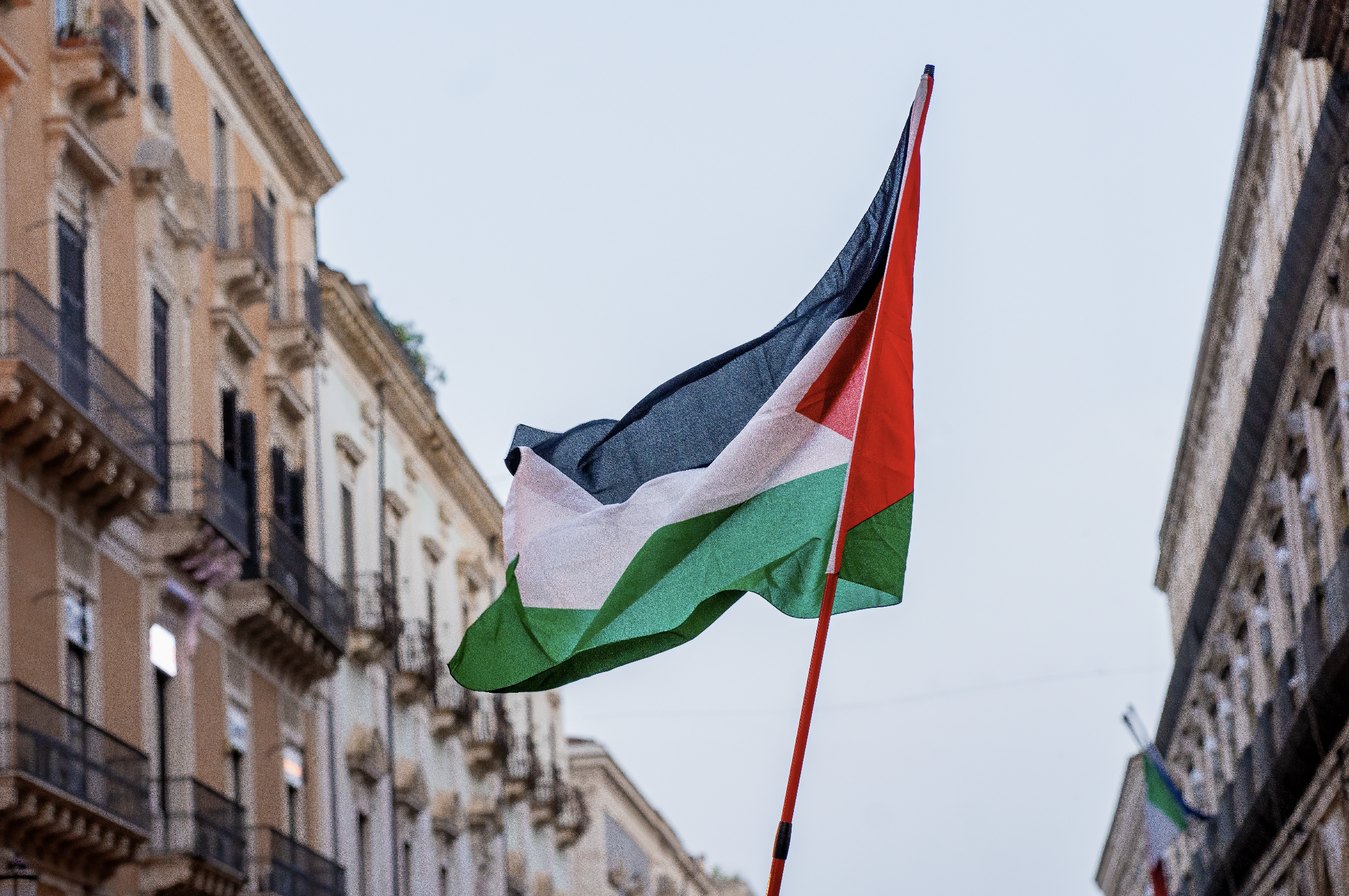
Brand Boycotts Work.
MARCH 2026
When brands fall far enough out of alignment with consumer values, backlash can quickly evolve into organized boycotts.
What begins as a shift in consumer attitude can quickly turn into declining sales, reputational damage, and a loss of brand equity. In extreme cases, endorsements are dropped, store traffic declines, and competitors benefit from newly displaced customers.
Companies typically respond with public apologies, leadership changes, or attempts to reframe their messaging. Sometimes those strategies work. Often they do not. What boycotts ultimately reveal is something simple but powerful: the best-designed brands still depend on people to sustain them.
How Boycotts Actually Work
A boycott is a coordinated decision to stop buying from a company in order to influence its behavior. Instead of relying on legislation or regulation, people use their economic participation as leverage. When enough consumers withdraw their spending, the impact can be felt directly in revenue, market share, and investor confidence¹.
Boycotts have been used for centuries as tools of social and political pressure. What has changed in recent years is speed. Social media allows calls for boycotts to spread globally within hours, transforming consumer frustration into organized economic action almost overnight.
In a value-driven marketplace, that collective pressure can reshape a brand’s reputation faster than any marketing campaign.
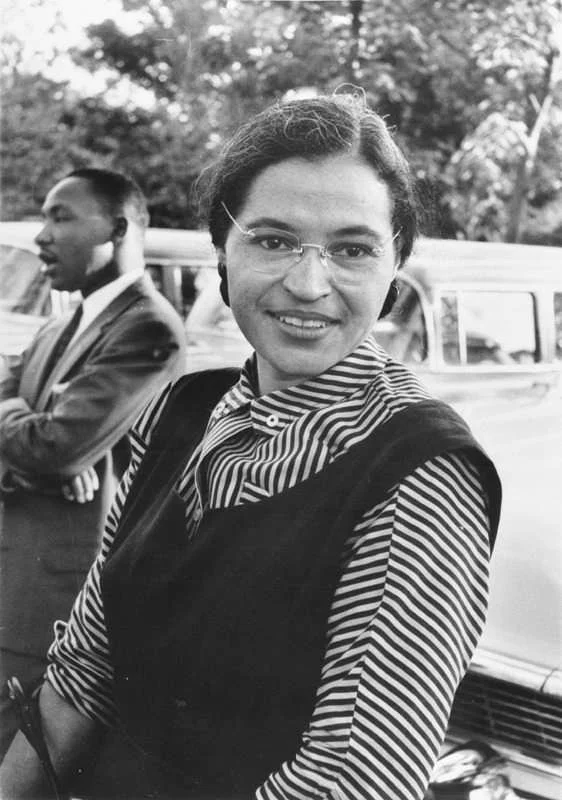
The Montgomery Bus Boycott
One of the most influential boycotts in modern history began in 1955 when Rosa Parks refused to give up her bus seat to a white passenger in Montgomery, Alabama. Her arrest catalyzed a citywide boycott led by civil rights leaders including Martin Luther King Jr.
Black residents made up roughly 70 percent of Montgomery’s bus riders. When they stopped riding, the transit system lost an estimated $3,000 per day in fares.²
The city attempted several responses, including reducing service routes, cutting operating costs, raising fares, and pressuring officials to intervene. None succeeded. Combined with legal challenges from civil rights groups, sustained financial pressure contributed to the U.S. Supreme Court ruling that ended bus segregation in 1956.
Recorded Impact
The transit system suffered approximately $1M total loss during the boycott.
Boycott Duration
381 days (Dec 1955 – Dec 1956)
End Result
U.S. Supreme Court ruling (Browder v. Gayle) declared bus segregation unconstitutional. Montgomery buses were legally desegregated.
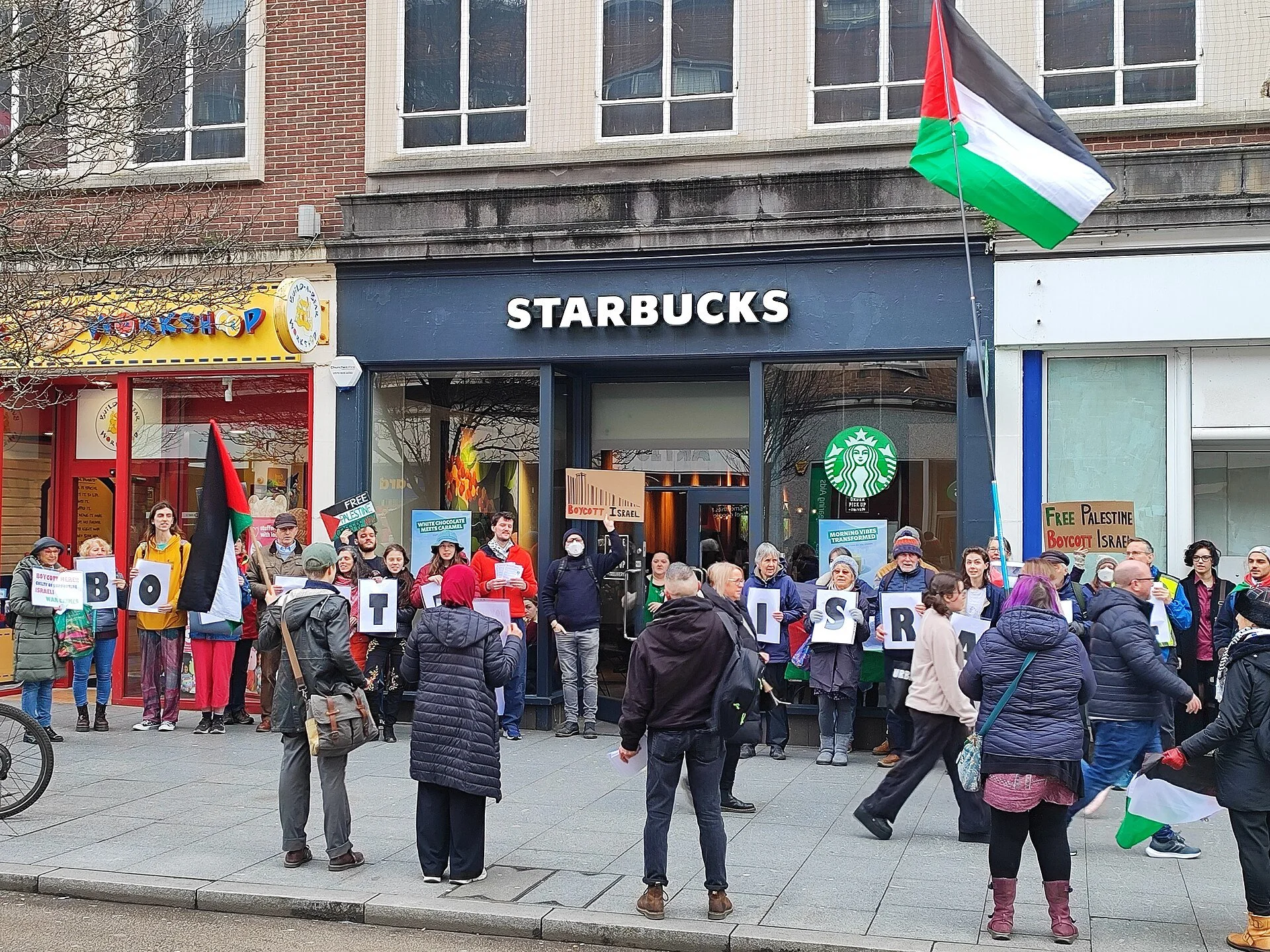
Starbucks Boycott
Starbucks has long positioned itself as a socially conscious brand, often aligning its messaging with progressive values. In October 2023, the company became the target of boycott campaigns after Starbucks Workers United posted a pro-Palestinian message on social media using the Starbucks name and logo. Starbucks responded by filing a trademark lawsuit against the union, arguing the post falsely represented the company’s position.
Many activists interpreted the legal action as an attempt to suppress pro-Palestinian expression. Calls for boycotts spread quickly online, often intersecting with broader Boycott, Divestment, Sanctions (BDS) advocacy campaigns. During the height of the boycott campaigns, Starbucks experienced significant declines in market value with analysts estimating losses of tens of billions in valuation. In Jordan alone, at least four Starbucks locations closed, while the company’s Middle East franchise operator laid off roughly 2,000 employees as store traffic declined.³
Recorded Impact
Starbucks’ franchise operator AlShaya laid off ~2,000 employees following sustained boycott pressure that led to declines in store traffic reported across several Middle Eastern markets.
Boycott Duration
Began October 2023 and continued throughout 2024.
End Result
Sales declines across parts of the Middle East and North Africa region forced operational restructuring. Starbucks became one of the most visible corporate targets of BDS-aligned consumer campaigns.
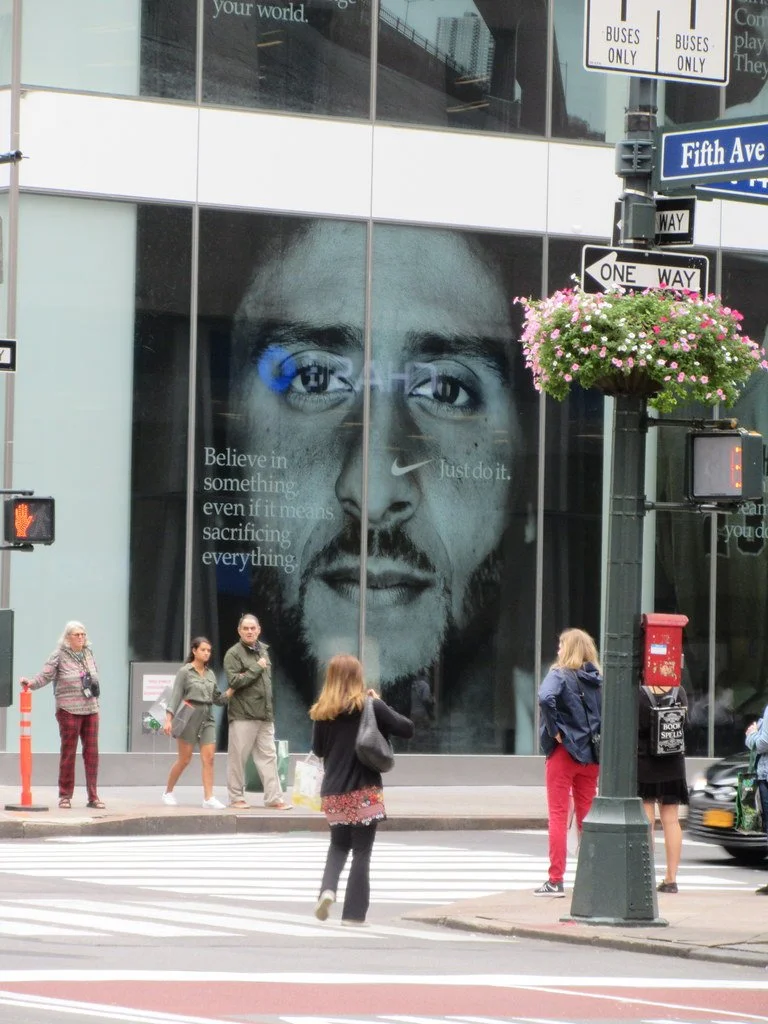
The Counter-Boycott
Not every boycott damages a brand indefinitely. In some cases, controversy strengthens loyalty among a company’s core audience.
The story behind Nike’s campaign began two years earlier. In 2016, NFL quarterback Colin Kaepernick began kneeling during the national anthem to protest police brutality and racial injustice, a gesture closely associated with the growing Black Lives Matter movement. The protest sparked intense debate, as critics viewed it as disrespectful to national symbols. In contrast, supporters saw it as a challenge to systemic racism and long-standing inequalities in policing.
Kaepernick was effectively pushed out of the NFL after the 2016 season and later filed a grievance alleging collusion by team owners. In 2018, Nike featured him in its Believe in Something campaign. Calls for boycotts followed and viral videos circulated of people burning Nike products. But Nike’s online sales rose more than 30 percent shortly after launch⁶. The backlash ultimately clarified Nike’s audience, strengthening loyalty among younger and more diverse consumers while alienating others. The boycott didn’t break the brand — it defined it.
Recorded Impact
Nike online sales increased more than 30% within days of the campaign launch. Nike’s market value rose by roughly $6 billion in the weeks following the campaign.
Boycott Duration
Backlash peaked during the first week of the campaign launch in Sept of 2018.
End Result
Strengthened brand loyalty among Nike’s core demographic. Nike maintained its leadership position in global athletic apparel.
McDonald’s Geopolitical Boycott
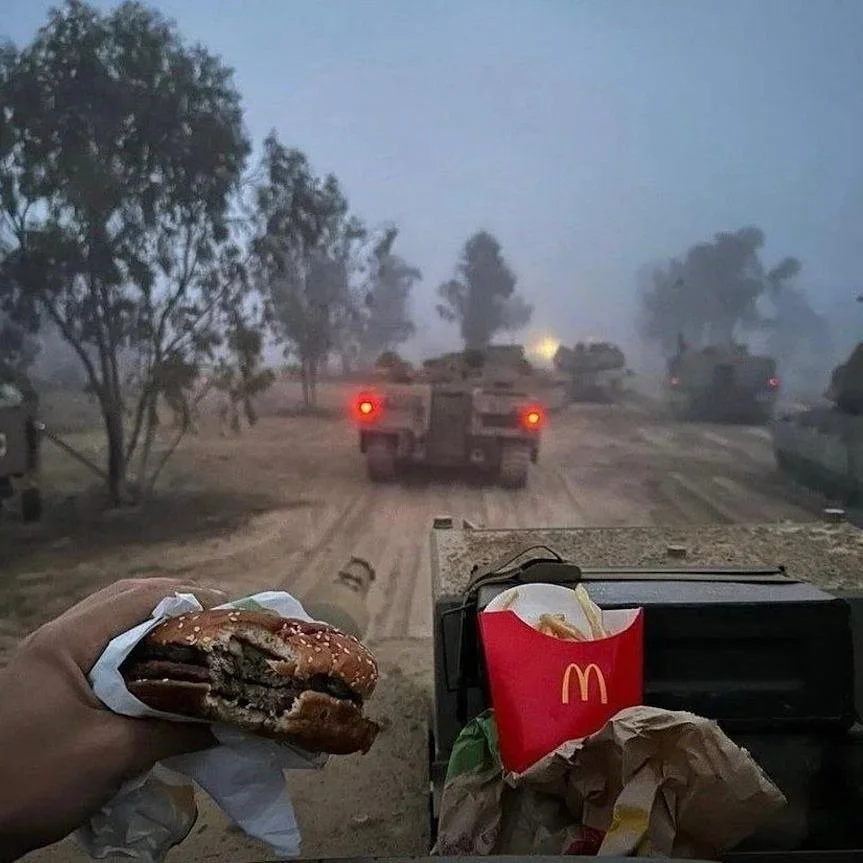
McDonald’s became a major boycott target in late 2023 after its Israeli franchise announced it had distributed thousands of free meals to Israeli soldiers following the October 7 attacks. The decision quickly circulated online and became associated with broader boycott campaigns targeting companies perceived to support Israel’s military actions in Gaza.
Consumer backlash spread rapidly across Middle Eastern and Muslim-majority markets. While McDonald’s global leadership emphasized that the Israeli franchise operated independently, the brand’s global identity meant the response was directed at the company as a whole. The controversy illustrates how franchise decisions can still generate reputational consequences at the brand level when consumers perceive political alignment.
Recorded Impact
Reported weaker-than-expected global sales growth, with comparable sales rising 3.4% instead of the expected 4.7% in late 2023. In several Middle Eastern markets, franchise sales declined sharply following boycott campaigns.
Boycott Duration
October 2023 after the Israeli franchise distributed free meals to soldiers.
End Result
McDonald’s moved to buy back all 225 restaurants operated by its Israeli franchise in 2024, taking direct control of the market amid ongoing boycott pressure.⁴
Why Brand Boycotts Matter
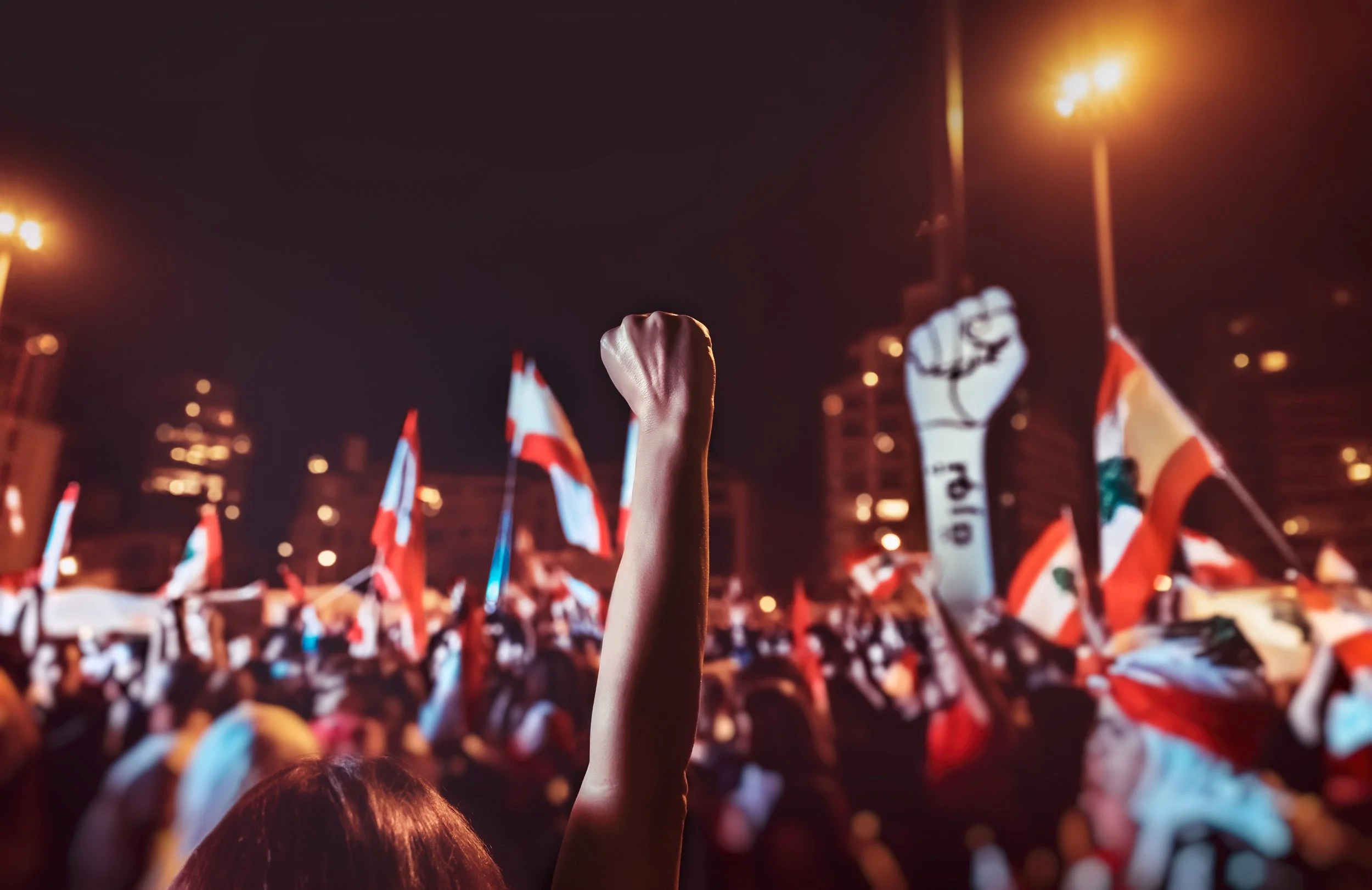
Boycotts work because they combine economic pressure with narrative. When people collectively stop buying a product, they reduce revenue. At the same time, the public conversation around the boycott reshapes what the brand represents.
Brands are more than logos or advertising campaigns. They function as cultural symbols. When consumers feel that a brand contradicts their values, withdrawing support becomes a way to reclaim personal agency within a marketplace that often feels controlled by corporations.
For many people becoming more aware of consumer culture and corporate influence, boycotts are one of the few tools that feel immediately accessible.
Brand Power Is a Two-Way Relationship
Modern brands depend on a constant exchange with the public. Companies communicate values through marketing and messaging, while consumers respond by choosing whether to participate in the brand ecosystem.
Boycotts reveal that this relationship is not one-sided. The same public that builds brand equity through loyalty can also dismantle it through collective withdrawal.
In that sense, brand boycotts act as a kind of market feedback loop. They remind companies that long-term brand equity is built not just on profit, but on credibility, trust, and alignment with the communities they serve.
Selected research and references:
¹ King Jr., Martin Luther; Clayborne Carson (editor). The Papers of Martin Luther King, Jr. Volume III: Birth of a New Age. University of California Press, 1997.
² National Archives. The Montgomery Bus Boycott (1955–1956). U.S. National Archives, 2021.
³ CNBC. Starbucks franchise operator AlShaya to lay off 2,000 workers amid boycotts. CNBC, 2024.
⁴ Reuters. McDonald’s to buy back Israeli franchise amid boycott pressure. Reuters, 2024.
⁵ CNBC. Nike online sales jump after Colin Kaepernick campaign launch. CNBC, 2018.
⁶ CBS News. Nike stock reaches record high following Kaepernick campaign. CBS News, 2018.