Brand Equity: Michelin
From Tires to Taste
APRIL 2024
When most people hear Michelin, they think of restaurants and star ratings, not tires. Yet the Michelin Guide began as a simple editorial initiative that gradually transformed a tire manufacturer into one of the most influential authorities in global dining¹.
This story illustrates how purpose, value perception, and human psychology intersect to create brand equity that endures².
So, why trust a tire company to rate restaurants?
In short, they manufactured authority.
At the end of the nineteenth century, driving was rare. Cars were expensive, roads were unreliable, and most travel outside daily necessity was uncommon. The Michelin brothers sold tires, a product whose demand depends directly on distance traveled. Their insight was simple: encourage people to travel more, and they would sell more tires.
In 1900, Michelin published the first edition of the Michelin Guide. The small red book included maps, repair stations, hotels, and restaurant listings designed to support early motorists. What began as a practical travel companion quickly evolved into a cultural artifact, encouraging people to explore unfamiliar places and transform driving into leisure.
The Michelin Guide represents an early example of brand-led cultural strategy: companies do not only sell products, they influence behaviour.
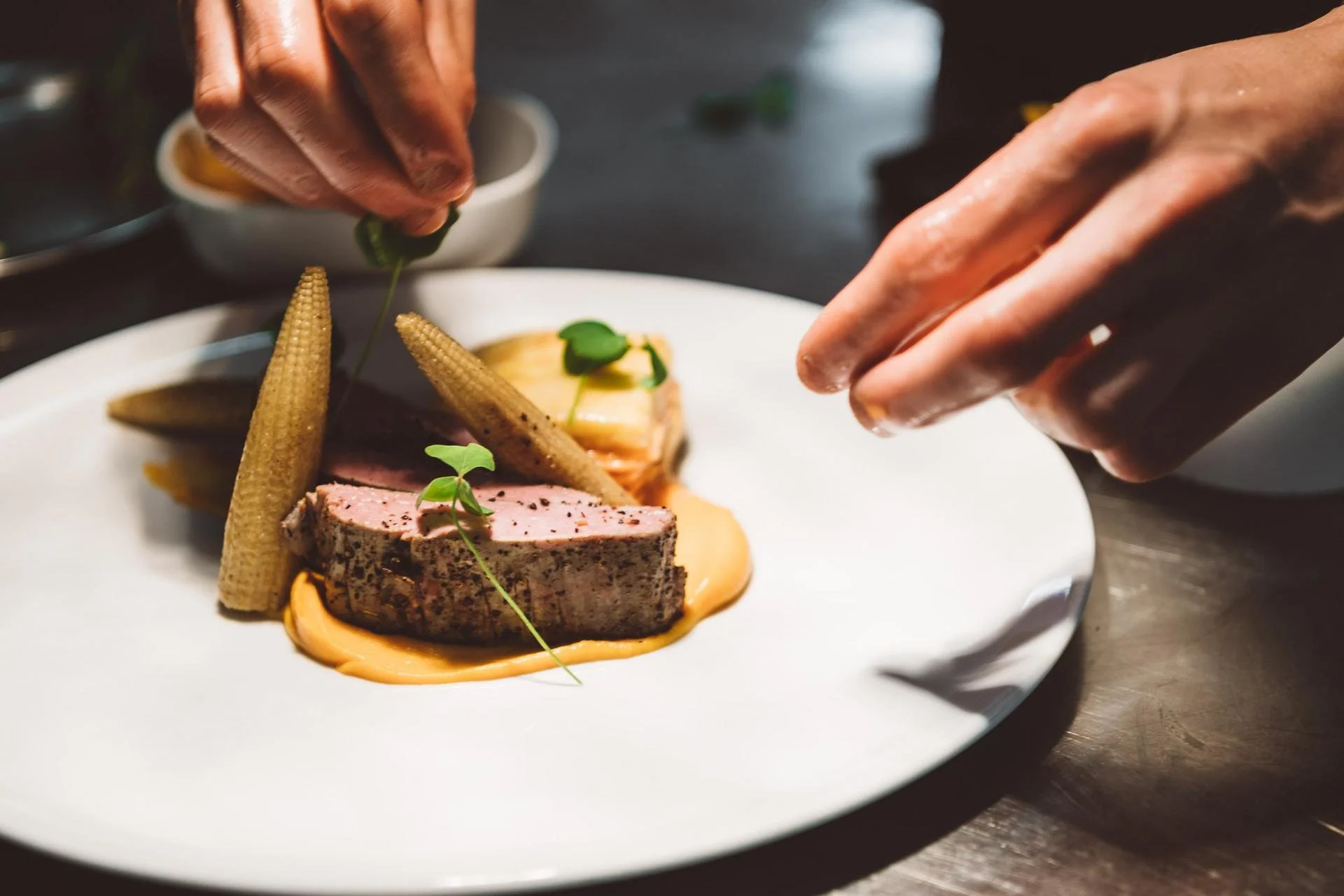
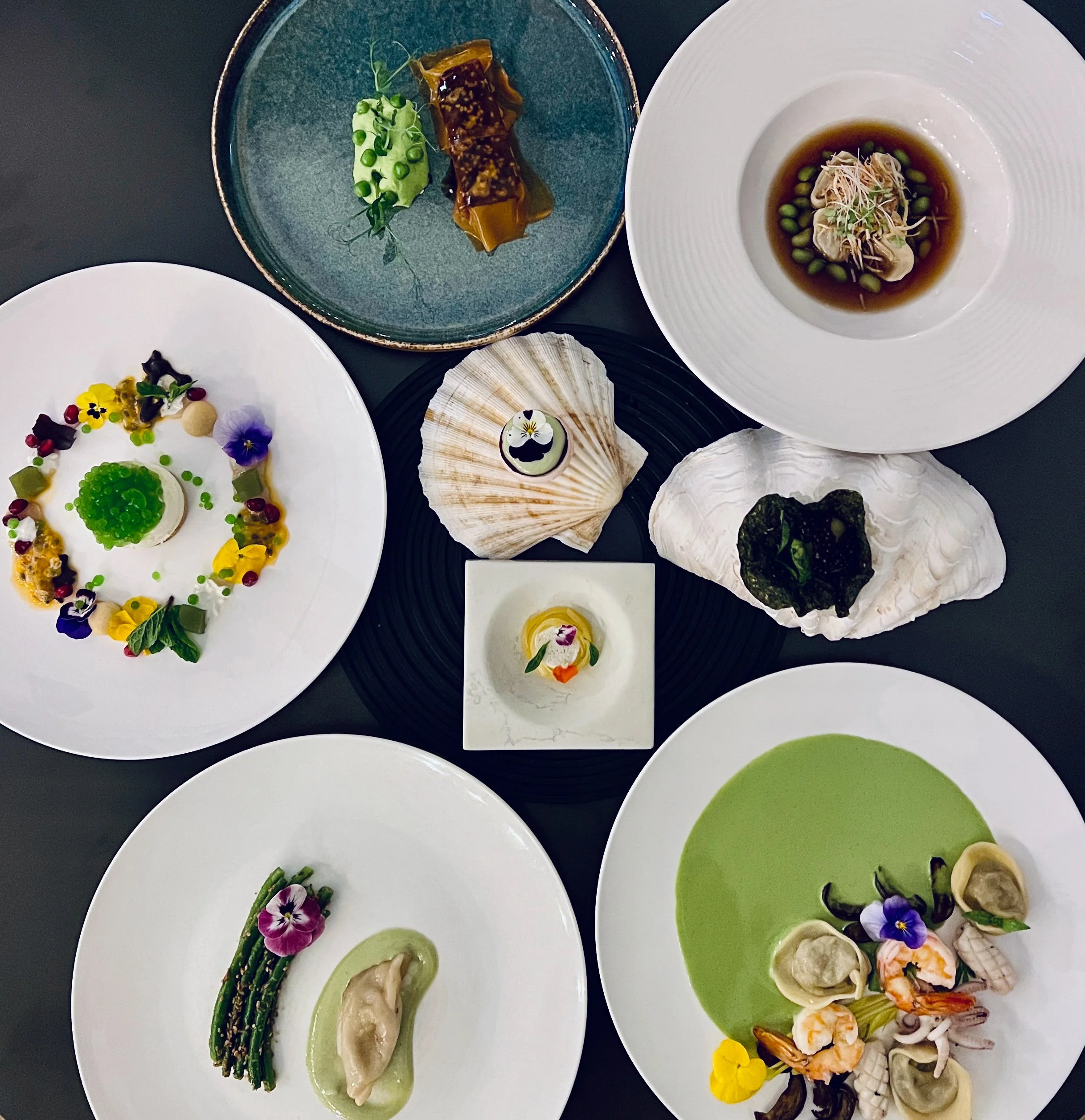
The Michelin Guide is an early blueprint for brand-led cultural authority, where companies don’t just sell products, they shape behavior to drive growth.
Over time, the guide shifted from a practical resource into a culinary authority. By the 1920s Michelin introduced its now-famous star rating system, serving as a classification structure that was both simple and aspirational¹.
-
A very good restaurant in its category.
High-quality ingredients and consistently high standards. -
Excellent cooking, worth a detour.
Skilled, creative, and refined cuisine. -
Exceptional cuisine, worth a special journey.
Represents, for many, the pinnacle of culinary art.
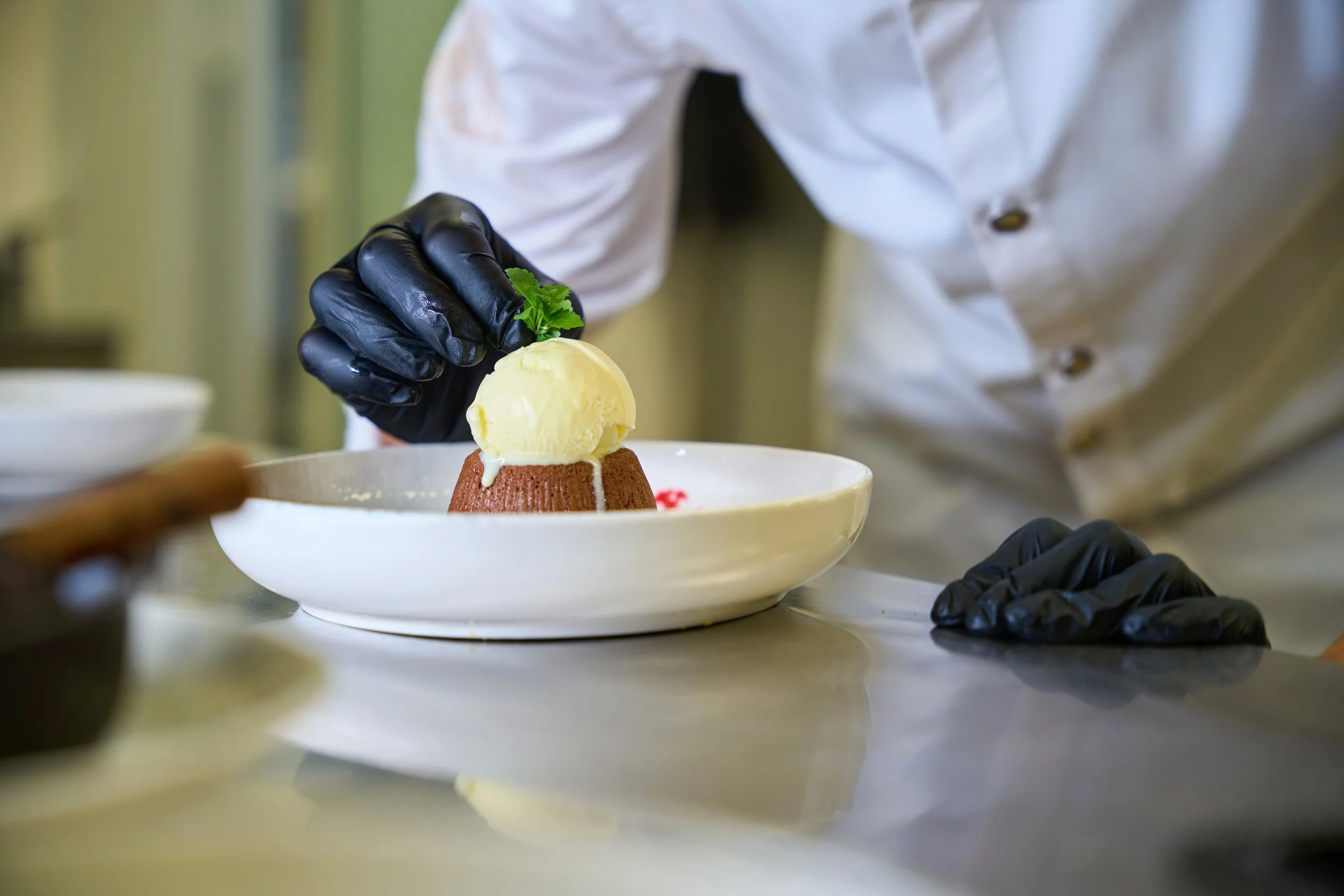
Why do people trust the stars?
Brand equity is not built through logos or slogans alone. Michelin’s authority is sustained through several structural pillars².
-
Evaluators (often anonymous) enter restaurants with no fanfare, tasting objectively, focusing on technique, flavor, and consistency. This impartiality reinforces the Guide’s credibility. People inherently trust a system perceived as fair and expert, even when they don’t fully understand the evaluation criteria themselves.
-
For diners, a Michelin star represents discovery, achievement, and cultural participation. Restaurants become destinations rather than simple dining experiences, embedding the brand within travel and memory³.
-
The phrase “Michelin star” has entered everyday language. When a brand name becomes shorthand for an entire category of experience, it reflects deep cultural integration and long-term equity².
These distinctions are not arbitrary awards. They function as cultural signals, or shorthand indicators of quality and curiosity embedded within the Michelin brand.
Over time, Michelin’s identity expanded from tire manufacturer to arbiter of taste without abandoning its origins. This duality is central to the brand’s enduring resonance: it occupies the intersection of practical utility and aspirational experience.
More than a century after its creation, a restaurant rating system developed by a tire company now shapes global tourism, culinary careers, and regional economies across more than forty countries³.
Michelin demonstrates a fundamental principle of brand strategy: lasting equity emerges when a company contributes meaningfully to culture, not simply to commerce².
Selected research and references:
¹ Michelin Guide. The History of the Michelin Guide.2023
² Kotler, Philip & Keller, Kevin Lane. Marketing Management. Pearson Education. 2022
³ Forbes. How the Michelin Guide Became the Most Influential Restaurant Rating System in the World. 2019