What Montessori Environments Get Right About User Behaviour (That Most Spaces Don’t)
MARCH 2026
Design is often discussed in terms of aesthetics, branding, or interface. But at its core, design shapes behaviour. It determines how people move through environments, make decisions, and participate in systems.
Few environments demonstrate this more clearly than Montessori classrooms.
The Montessori method (developed by Dr. Maria Montessori) is built on the idea that children learn best through independence, exploration, and interaction with their environment¹. The space itself is not a backdrop to learning. It is the mechanism through which learning happens.
This is where the overlap with design becomes clear.
The Environment as the System
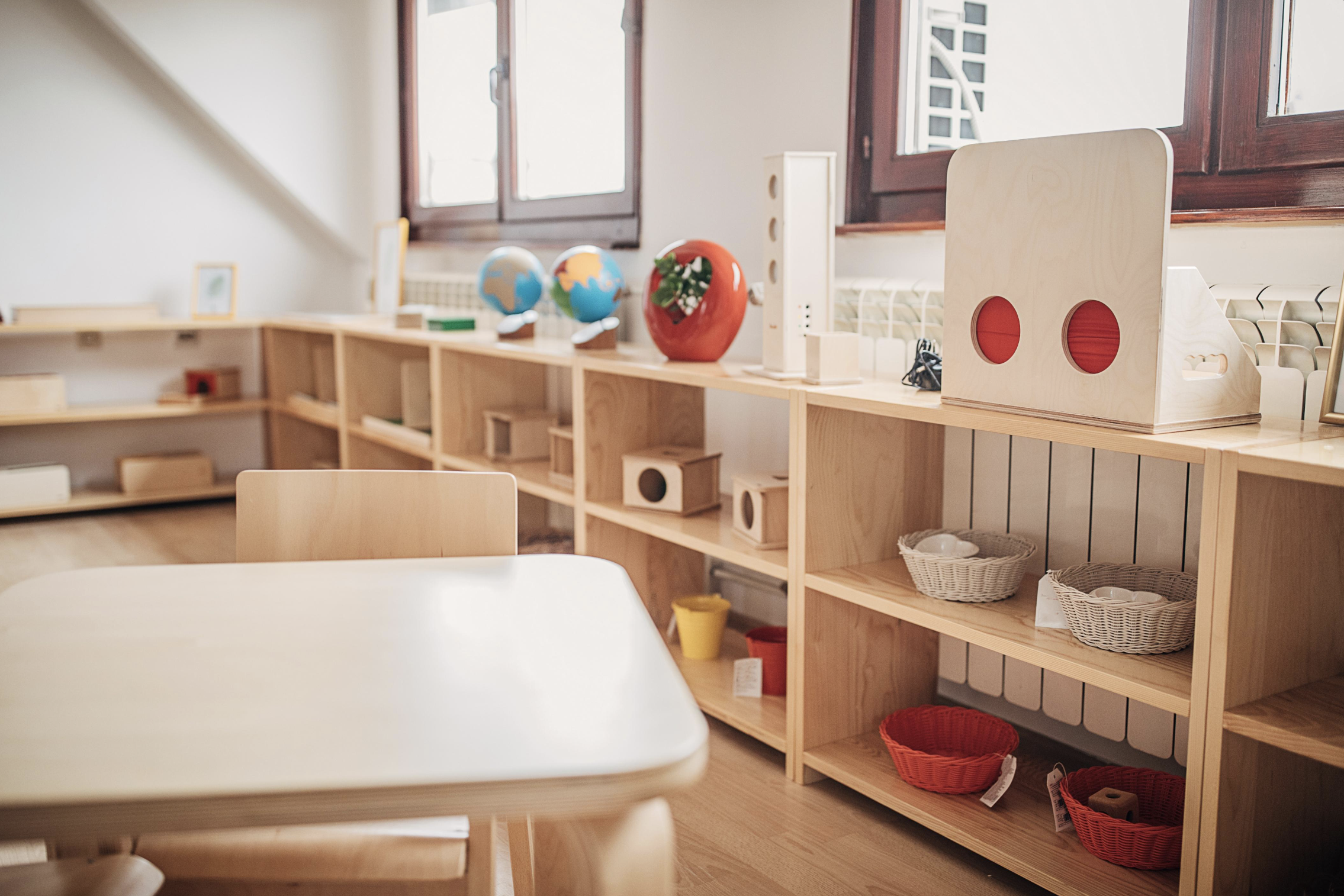
One of the core principles of Montessori education is the “prepared environment.” Everything in the space is intentionally designed to support independence and clarity¹.
Objects are accessible, appropriately scaled, and organized with clear purpose. Nothing is arbitrary.
I started to notice this more clearly at home while setting up spaces for my kids. These ideas are well documented in Montessori practice, particularly in books like The Montessori Toddler by Simone Davies, which emphasizes designing environments that allow children to act independently within their capabilities⁶. Something as simple lower table surfaces changed everything. They could get in and out of their seats independently. They could set the table and help prepare their own food. When the environment is prepared with a toddler’s capacity in mind, it becomes clear that ability is often a matter of access.
A two-year-old can’t beat eggs if no one lets him beat eggs.
Once given the tools, the behaviour follows. There’s a noticeable shift. Focus, repetition, even a kind of quiet concentration that feels closer to flow than play. The system enables the behaviour.
In observing how children move through and interact with their environments, I began to notice how much behaviour is shaped by design — and how intentional systems can create more intuitive, self-directed experiences. This shows up most clearly across three areas:
-
In most adult environments, we accept friction as normal. We wait. We ask. We rely on instructions. We navigate spaces that were not designed for us to move through independently.
Montessori environments take the opposite approach. They assume capability first, then design accordingly¹.
When environments are designed for autonomy, users don’t need excessive instruction. Navigation becomes intuitive and interaction becomes self-directed.
In accessibility standards such as Accessibility for Ontarians with Disabilities Act (AODA), this principle is formalized. Design should enable independent use wherever possible². Similar principles are embedded in inclusive design systems developed by companies like Apple, where accessibility is treated as a foundational system constraint rather than an afterthought³.
Good design removes dependency.
-
Another key observation is how strongly children respond to order. When materials are visible, consistently placed, and easy to understand, they engage more deeply. When they are not, frustration will follow.
This aligns with research on cognitive load, a concept in psychology that describes the amount of mental effort required to process information. When environments are disorganized or unclear, users must spend more energy figuring out what to do before they can actually do it.
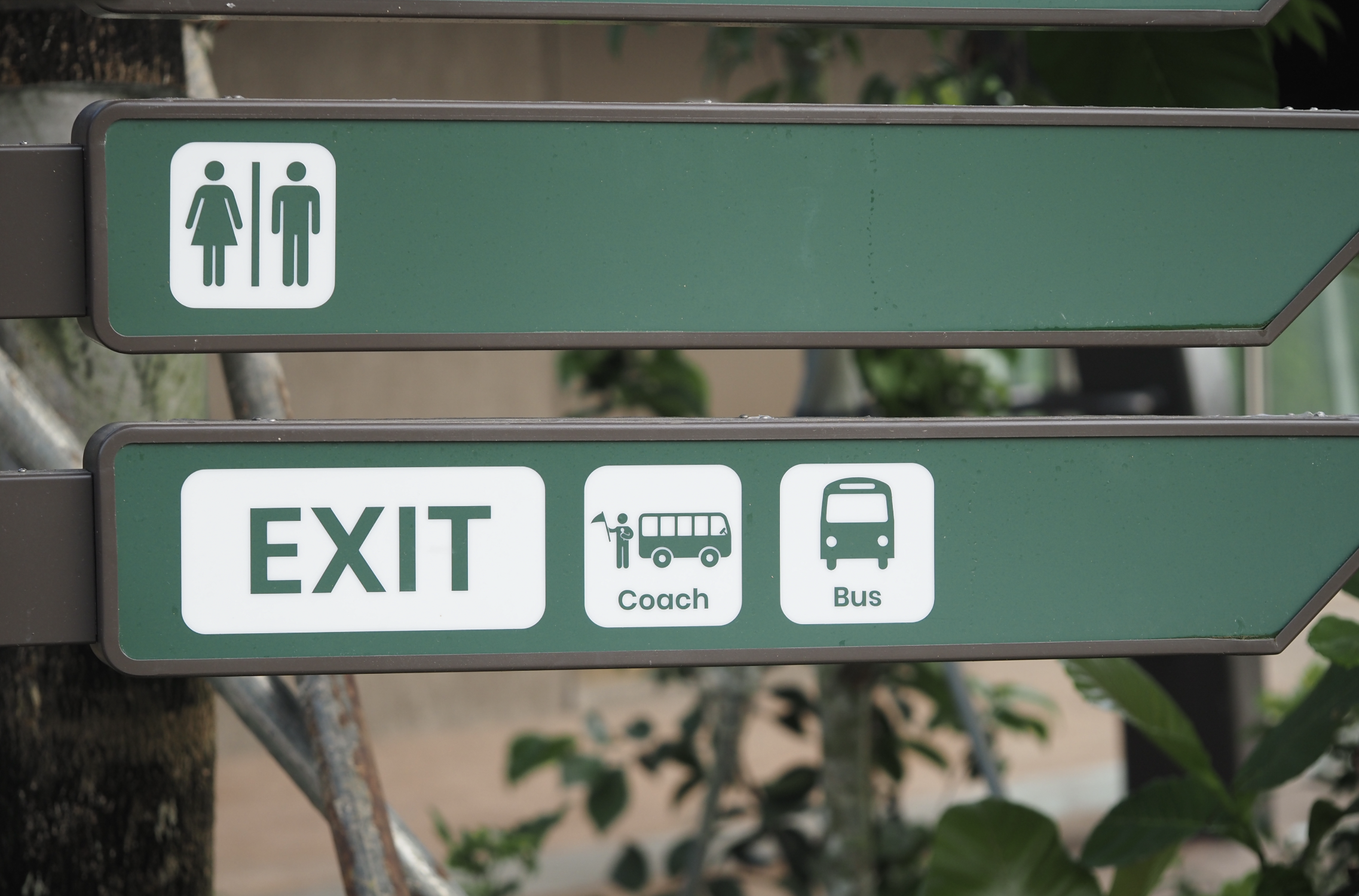
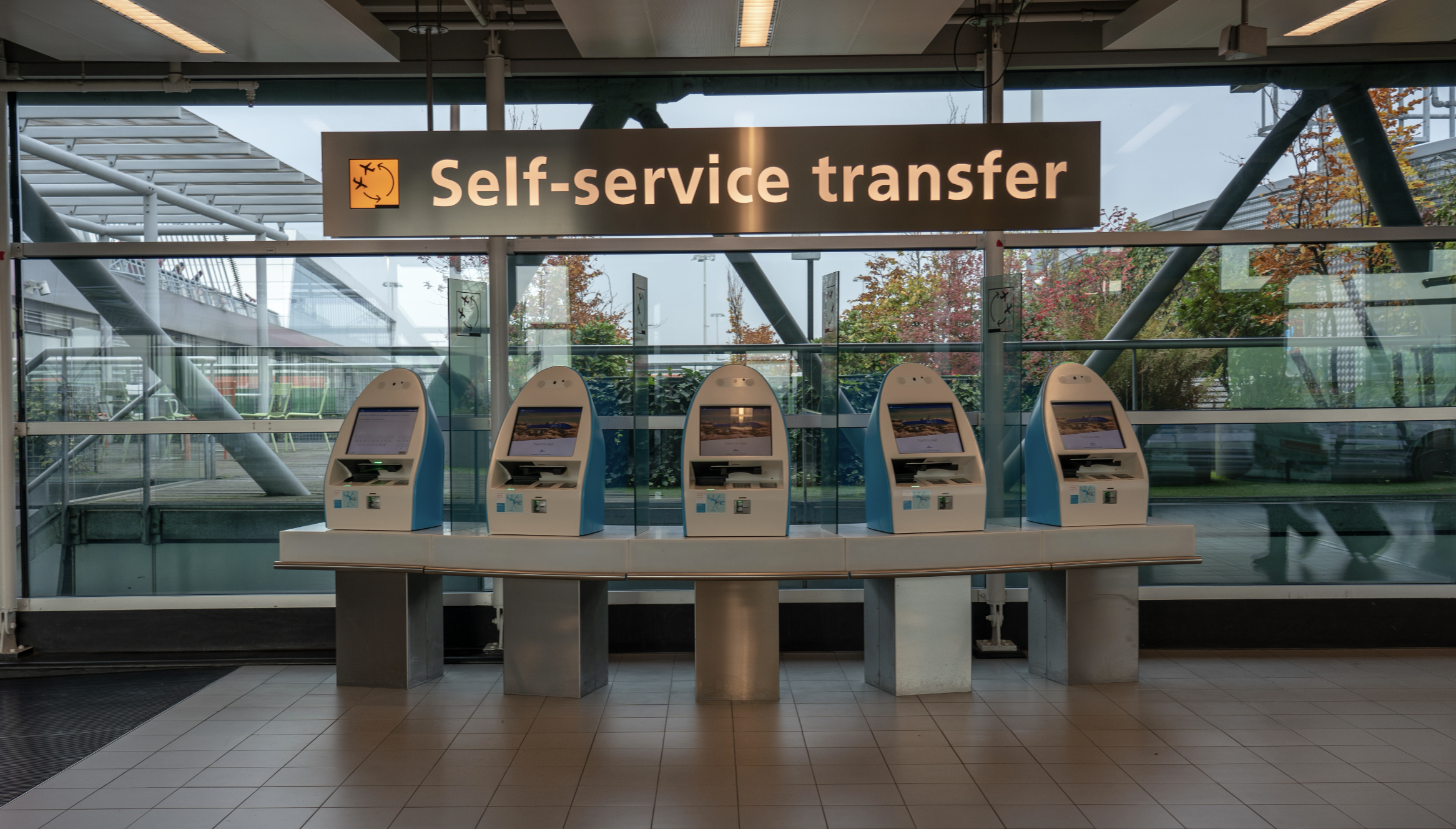
In design, this shows up as inconsistent wayfinding, poor visual hierarchy, and cluttered information systems.
In Montessori environments, clarity is non-negotiable. Everything has a place. Every object communicates its purpose. The result is not just usability, but focus. Clarity lowers cognitive load.
-
Children repeat actions constantly. Not out of habit, but as a way of learning through interaction. This only works if the system is consistent.
If a tool changes location, function, or form, the learning process is interrupted. The environment must remain stable enough for patterns to form¹.
This is equally true in brand and spatial systems.
In large-scale environments such as transit systems or workplaces, inconsistency introduces friction, users hesitate, navigation slows, and trust is reduced. Consistency is not just visual discipline, it is behavioural reinforcement that promotes productivity and growth.

Most Adult Environments Are Poorly Designed
One of my more frustrating realizations, especially as a parent, is how many everyday environments fail at basic usability. Sinks that children cannot reach. Tools placed out of access. Spaces that assume dependence rather than capability. These are not edge cases, they are common, and they reveal a broader issue.
Many environments are designed without fully considering the range of users interacting with them. Instead of enabling independence, they create reliance, inefficiency, and unnecessary friction.
Some of the most basic UX questions are functional user questions that Montessori environments start with:
What can this person do?
What do they need access to?
How can the environment support that?
This is the same set of questions good design should always be asking.
Designing for First Experience
Another idea that continues to come up in both parenting and design: approaching things as if it’s the first time.
Children do this naturally. Everything is new. Everything is observed closely.
In design, we often lose this perspective. Familiarity creates blind spots. We assume understanding instead of testing for it.
Designing for first experience means removing assumptions, observing behaviour, and allowing systems to reveal themselves through use.
This aligns closely with user-centred design principles and usability research, which emphasize observation and iterative understanding of user behaviour⁵.
What This Means for Design
Montessori environments succeed because they are intentionally designed systems.
They reduce cognitive load while enabling autonomy. They reinforce behaviour through consistency and support accessibility by default. Most adult environments attempt to correct poor design with instructions, signage, or added layers of communication.
Montessori does the opposite. It designs the system so clearly that instruction becomes secondary.
The goal of design is not to tell people what to do, it is to create environments where intuition leads and the right action feels obvious.
Montessori environments demonstrate that when systems are designed with clarity, accessibility, and independence in mind, behaviour follows naturally. The question is not whether people can learn to navigate complex systems. It is whether those systems need to be complex at all.
Selected research and references:
¹ Montessori, Maria. The Absorbent Mind. 1949.
² Government of Ontario. Accessibility for Ontarians with Disabilities Act (AODA). 2005.
³ Apple. Accessibility in Design Guidelines. 2020.
⁴ Sweller, John. Cognitive Load Theory. 1988.
⁵ Norman, Don. The Design of Everyday Things. 1988.
⁶ Davies, Simone. The Montessori Toddler. 2019.